
Silicone-edge graphics
Textile graphics with a sewn silicone edge that slide taut into a frame. For a seamless, high-end image presentation.

Our approach
- 1Concept definition
Experts determine what works best for your project.
- 23D design
Realistic visualisations on your own site for approval.
- 3Production
Custom work in our own workshops.
- 4Installation
Expert installation on site.
- 5Maintenance
Long-term service and maintenance.
What this gives you
From first sketch to maintenance — one partner who handles everything in-house.
One partner, from A to Z
You call one number. We measure, design, produce, install and maintain. No fragmented responsibility, no waiting on subcontractors pointing at each other.
You see it before it exists
A 3D visualisation of your own façade or space, by day and by night. We only start producing once that image is right. No surprises afterwards.
In-house production in Olen
Custom work from our own workshops, without intermediaries. That means a shorter lead time, a sharper price, and changes that are genuinely still possible.
Built to last
ISO 9001 and ISO 14001. Colourfast, weather-resistant materials and energy-efficient LED lighting. With long-term service and maintenance.
Silicone edge graphics for fabric frames
A silicone edge graphic is a printed textile with a plastic silicone strip sewn along its edges. That strip slides into a groove in the aluminium frame and pulls the fabric completely taut. The result is a seamless, crease-free image with no visible fixings — no eyelets, no tensioners, no exposed edges.
We print and supply silicone edge graphics for fabric frames and lightboxes, for businesses, shops, trade fairs, offices, care institutions and event organisers, both for existing frames and in combination with a new frame.
Why this system beats a conventional banner
A conventional banner is tensioned with eyelets and tensioners, and that tension is never even. Pull creases form around the fixing points, and the image ripples.
With a silicone edge graphic the tension is distributed around the full perimeter. That gives a taut surface that looks high-end, even at large formats. An added benefit: the graphic can be changed in minutes without tools. You pull the old one out and slide the new one in. For anyone changing by season or by campaign, that is the whole argument — the frame stays, only the graphic changes.
Materials
- Standard polyester textile: matt, light and colourfast. The choice for non-illuminated frames indoors.
- Backlit textile: translucent, designed for illuminated frames. The thickness and fibre structure keep the LED modules behind it from showing as individual dots. An ordinary fabric in a lightbox does show those dots.
- Blockout textile: with a blocking layer, for double-sided frames so the two images do not show through each other.
- Flame-retardant textile: with the required certification. In publicly accessible buildings, exhibition halls and care institutions that is usually a requirement, not an option. We supply the certificate with it.
- Acoustic textile: combined with an absorbent infill behind the graphic, so an image wall dampens sound at the same time.
Artwork and finishing
The size of the graphic is not the same as the visible size of the frame. Perimeter is lost in the hem, and the graphic is deliberately made slightly smaller than the frame so that it comes under tension. That undersize differs per profile type.
So always tell us the profile type or the make of the frame, or let us measure the frame. A graphic printed to the visible size will not fit — it either sags or will not go in. We keep the dimensions on file per customer, so a repeat order years later is right first time.
Also: allow in the design for the zone that disappears behind the frame edge. Text or logos too close to the edge get partly swallowed.
Maintenance and service life
Silicone edge graphics are washable. A graphic that comes back dirty from a trade fair can be washed at low temperature and refitted slightly damp; the last creases pull out by themselves under tension. That is a real advantage over PVC banners, which cannot be washed.
Store graphics rolled or loosely folded, not underneath other material. A sharp fold left under pressure for months stays visible.
What determines the price?
Silicone edge graphics have no fixed rate per square metre. The cost follows from the format, the textile type — standard, backlit, blockout, flame-retardant or acoustic —, whether it is single or double-sided, the number of graphics, because the print set-up cost is spread across the run, whether we create the design or you supply the file, and whether the frame is supplied with it or already in place.
Give us the frame size or the profile type and the quantity you need, and you will get a quotation per version.
Prices are available in the Herva-Doublet Platform.
Ordering a graphic
Send us the dimensions of your frame, or a photo of the profile if you do not know the type. We will work out the correct undersize and supply a graphic that fits.
Projects
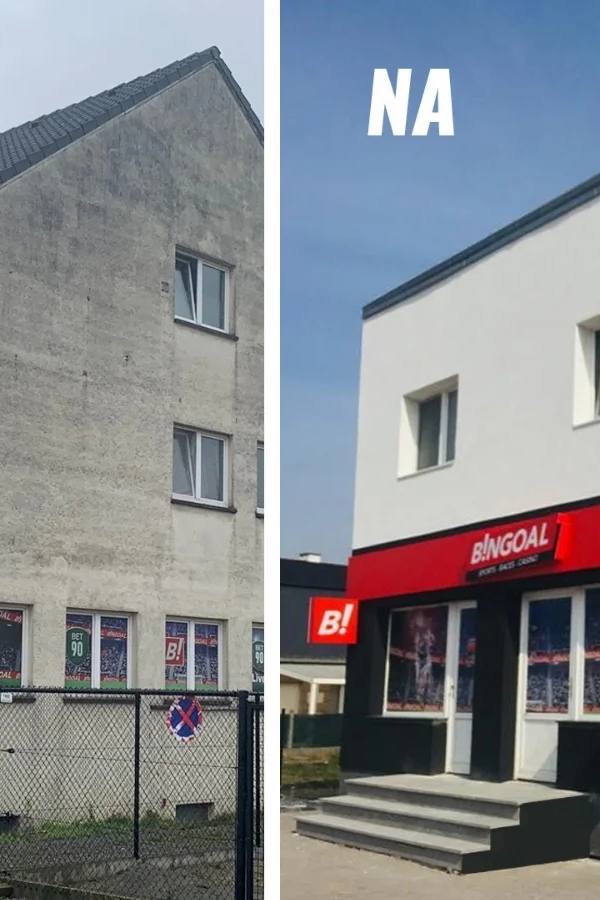
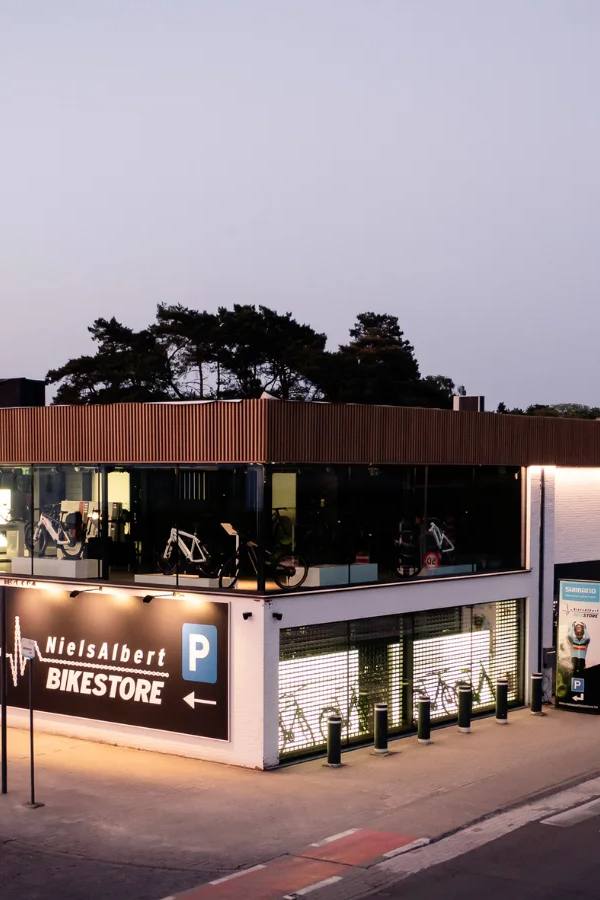
All projects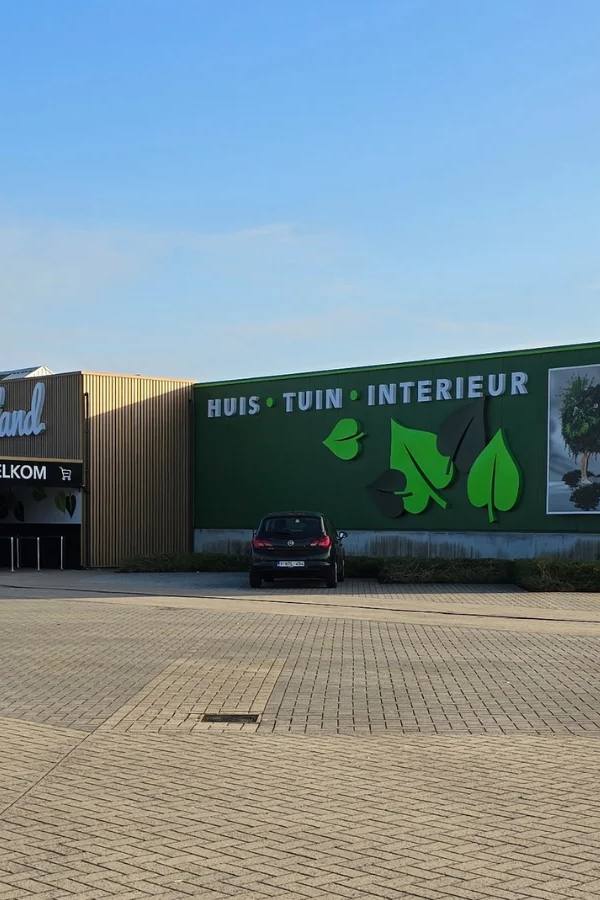
Frequently asked questions
Hoe werkt een textielframe precies?
Is een textielframe duurder dan een spandoek?
Wat doet een akoestisch textielframe?
Kan het doek gewassen worden?
Didn't find what you were looking for?
What you see here is a selection. Our range is considerably wider — in sizes, materials and finishes that we cannot all show online. Tell us what you need it for and where it has to go, and we will work out what fits.
Ask your questionReady to start your silicone-edge graphics project?
We think along from the first sketch through to installation and maintenance.