Parasols
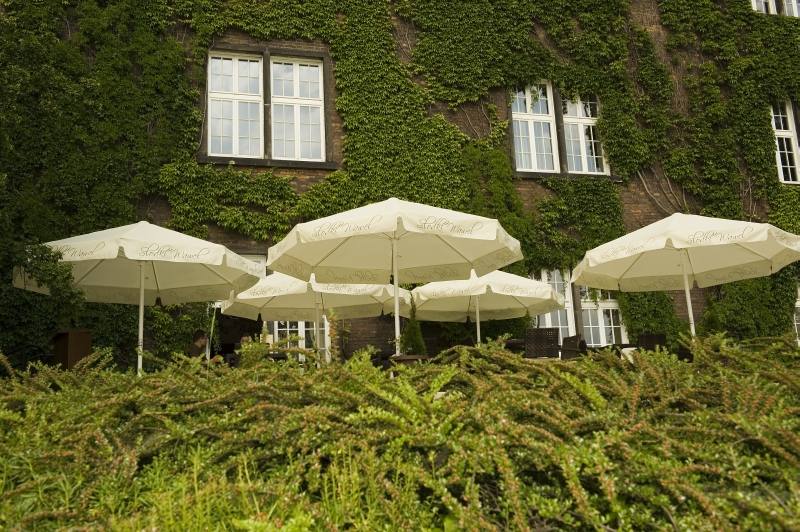
Parasols that provide shade and shelter on a terrace, at an event or in a stand area. Printable with a logo or message.
All parasols
Prices are available in the Herva-Doublet Platform.
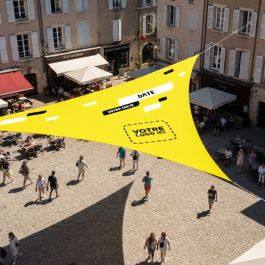
Printable triangular shade sail
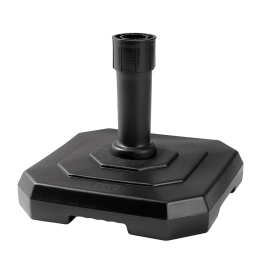
Parasol base 22 kg in steel
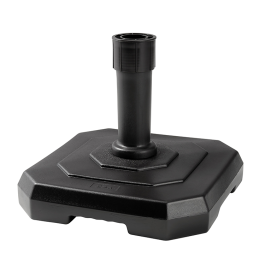
Square concrete parasol base
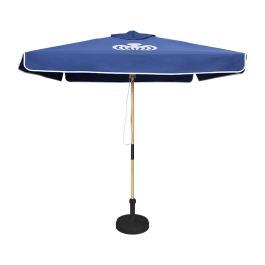
Round wooden parasol
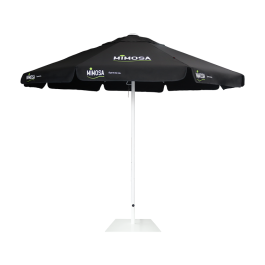
Round aluminium parasol 3 m
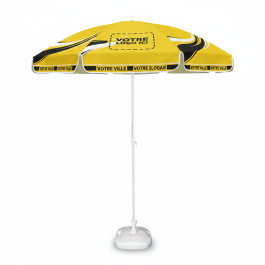
Compact round steel parasol
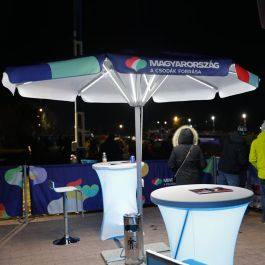
Round promotional parasol with LED lighting
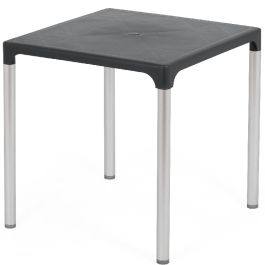
Mobile parasol base 40 l
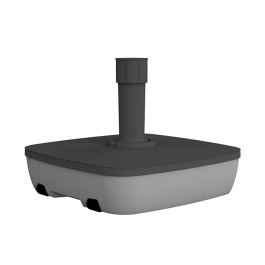
Mobile fillable base 25 l
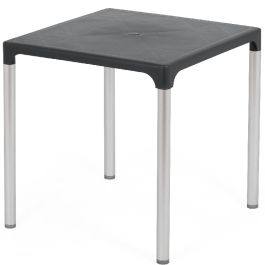
Square wooden parasol
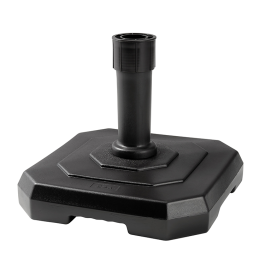
Square aluminium parasol
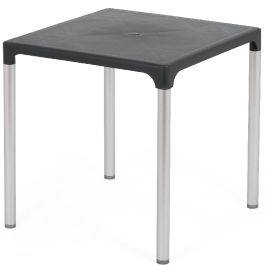
Premium square aluminium parasol
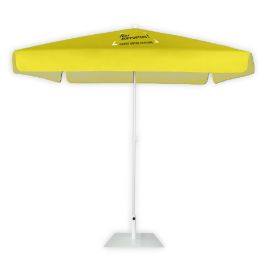
Square steel parasol
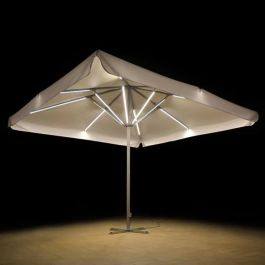
Square advertising parasol with LED lighting 3.5 m
- Our approach
- 1Concept definition
- 23D design
- 3Production
- 4Installation
- 5Maintenance
What this gives you
From first sketch to maintenance — one partner who coordinates the whole project.
One partner, from A to Z
You call one number. We measure, design, have it produced, install and maintain. No fragmented responsibility, no waiting on subcontractors pointing at each other.
You see it before it exists
A 3D visualisation of your own façade or space, by day and by night. Production only starts once that image is right. No surprises afterwards.
Everything under one roof
From façade to interior: 20 product families with one partner. No need to coordinate three suppliers.
Built to last
ISO 9001 and ISO 14001. Colourfast, weather-resistant materials and energy-efficient LED lighting. With long-term service and maintenance.
Parasols for terraces, events and stand areas
Parasols provide shade and shelter on a terrace, an event site or a stand area, and are at the same time one of the few advertising carriers that people actively seek out. A printed canopy above a seating area is in view all day, at eye level for anyone walking past and visible from above in every aerial or drone shot of your site.
They are chosen by hospitality businesses with a terrace, by organisers of events and food zones, by companies with an outdoor terrace or an exhibition stand, and by local authorities at markets and summer bars. We supply plain versions and parasols printed entirely in your house style, and we think along with you about which type of base suits your surface.
Applications
- Terraces at bars, restaurants, hotels and staff restaurants
- Shaded areas on an event site or festival field
- Stand areas at trade fairs, markets and street fairs
Versions
The centre-pole parasol has the mast through the middle of the table and is the simplest and sturdiest version. The cantilever parasol has the mast to one side, which keeps the seating area completely clear and allows the canopy to be turned with the sun, but it needs a heavier base. For larger areas there are modular parasols that link together into a continuous roof of shade, and telescopic or awning-style versions for a permanent terrace set-up.
Materials and technique
Frames are powder-coated aluminium, steel or wood. Aluminium is light and corrosion-resistant, steel is heavier and more stable, wood suits a classic terrace but needs maintenance. Canopies are polyester or acrylic with a water- and dirt-repellent treatment. Acrylic fabric costs more but holds its colour considerably longer in full sun, which matters as soon as your house style colour is on the canopy.
Printing is done per panel or across the whole canopy. Keep the design simple: a name or logo on each panel reads from every side, whereas a continuous image across the seams rarely works as expected.
Placement, ballast and safety
An open parasol is a sail on a mast and in wind it lifts a surprisingly heavy base. The base therefore has to match the canopy area, not whatever happens to be in stock: a base that is too light is the main cause of damage and injury with parasols. For permanent set-ups a ground socket or an anchored base plate is the safest solution.
Always close parasols when the terrace empties and when wind is forecast, even if it still looks calm at that moment. At an event you as organiser are liable for a parasol that falls over or blows away. Make closing in wind a standing instruction for your staff, not something anyone judges on the spot.
Maintenance and storage
Let the canopy dry completely before you close the parasol and store it in a protective cover. Clean with water and a soft brush. Check the ribs, cords and operating mechanism at the start of the season and store parasols dry and upright over the winter.
When a parasol is not the right choice
For permanent cover that also has to be usable in rain and wind, an awning or a fixed canopy is the better solution. At a very windy, open location parasols are hard to keep under control. The classic mistake is combining a large canopy with a base that is too light because the heavy base gets in the way.
What determines the price?
The price depends on the size and the shape, the type of parasol, the frame and canopy material, the operating mechanism, the print and the number of colours, the run, and the base or anchoring chosen. Protective covers, lighting and heating may come on top. Give us the number of parasols, the shaded area you want and the surface, and we will put a proposal together.
Prices are available in the Herva-Doublet Platform.
Setting out your shaded area together
Tell us how large the area is and what surface the parasols will stand on. We will propose a version and matching ballast. Get in touch for advice and a quotation.
Projects
All projects
Didn't find what you were looking for?
What you see here is a selection. Our range is considerably wider — in sizes, materials and finishes that we cannot all show online. Tell us what you need it for and where it has to go, and we will work out what fits.
Ask your questionAccess to prices and ordering
Request access to our Herva-Doublet Platform. Sign up in two minutes, confirm your e-mail address and see all prices right away.