
Jeroen Lerouge
20+ years in façade cladding, bicycle parking, LED screens and sport & events, and ambassador for Circalle

A bicycle shelter nobody uses is money thrown away. The reason is almost always the same: the racks are too close together, the bike tips over, or the lock does not fit around the frame. We supply bicycle parking that actually works, and we measure up first.
Prices are available in the Herva-Doublet Platform.


From first sketch to maintenance — one partner who coordinates the whole project.
You call one number. We measure, design, have it produced, install and maintain. No fragmented responsibility, no waiting on subcontractors pointing at each other.
A 3D visualisation of your own façade or space, by day and by night. Production only starts once that image is right. No surprises afterwards.
From façade to interior: 20 product families with one partner. No need to coordinate three suppliers.
ISO 9001 and ISO 14001. Colourfast, weather-resistant materials and energy-efficient LED lighting. With long-term service and maintenance.
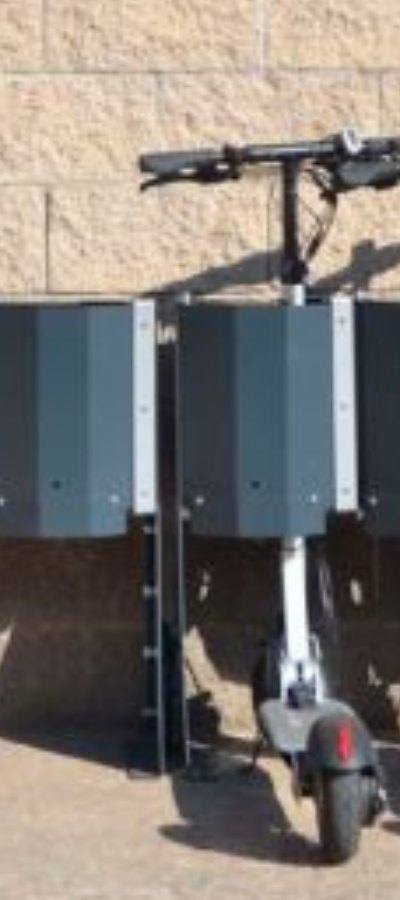
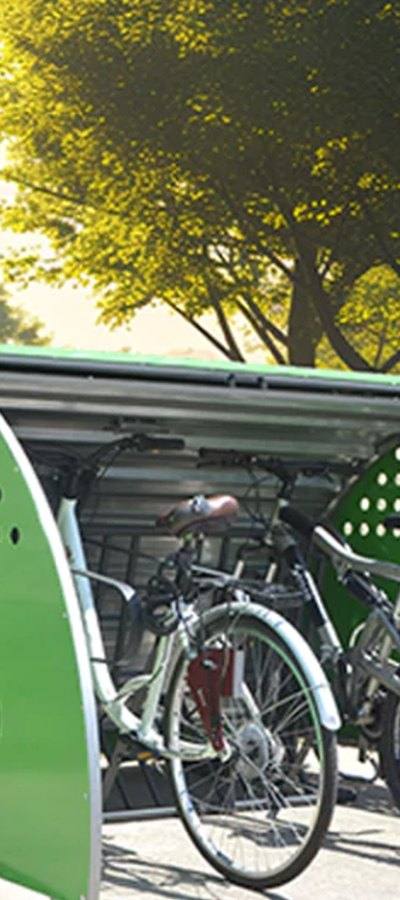
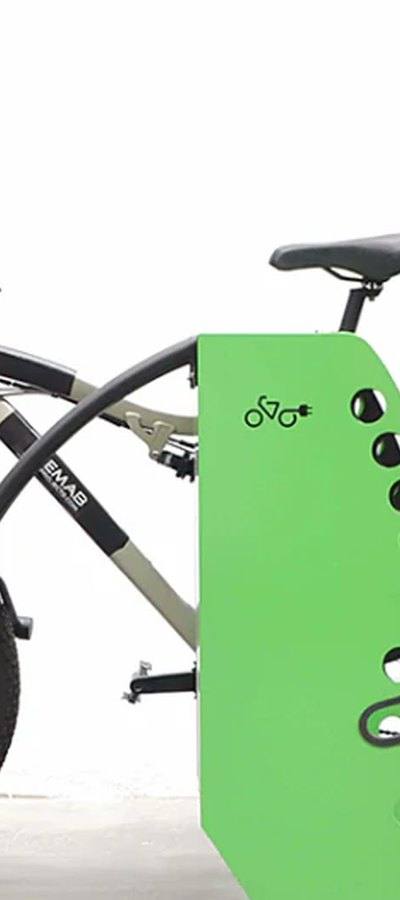
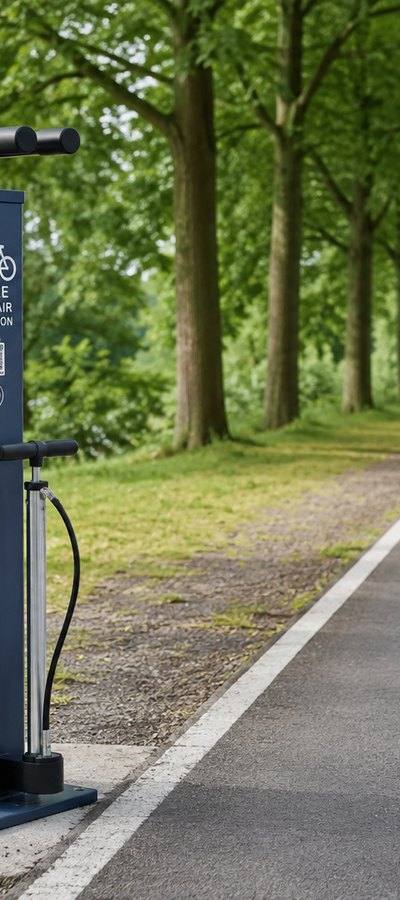
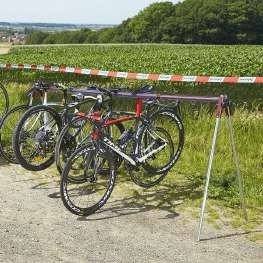
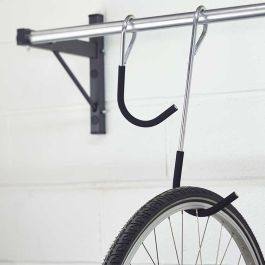
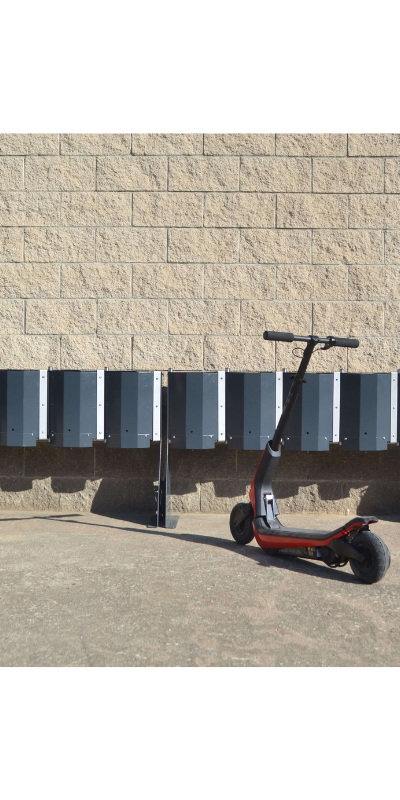
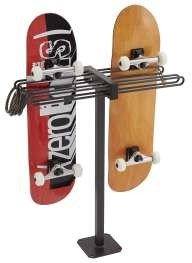
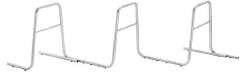
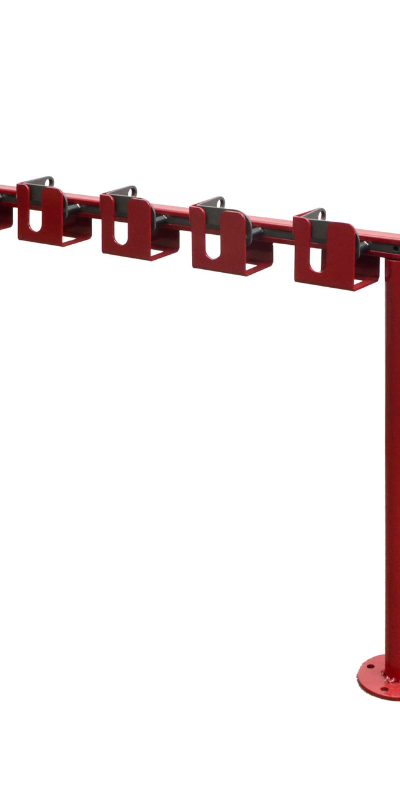
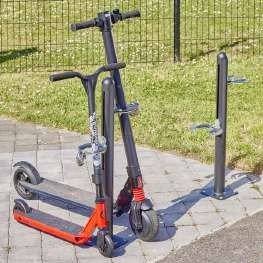
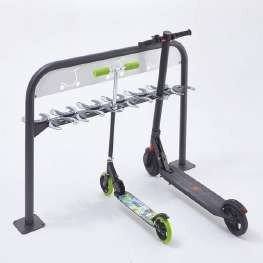
Bicycle parking covers the facilities to park bikes safely, dry and in order: bike stands and racks, two-tier racks, bike shelters, bike lockers and solutions for e-scooters. Herva-Doublet advises on the type and number of spaces, supplies the bike parking and installs it with its own crews, for municipalities, schools and companies.
Bicycle parking only works if cyclists use it without being told to. That sounds obvious, yet it is exactly where most projects fail: racks spaced too closely, a shelter fifty metres from the entrance, a two-tier system too heavy to operate, or a model that only accepts thin-framed bikes. The outcome is predictable — bicycles end up chained to fences and lamp posts, and the investment stands empty.
We design, supply and install bicycle parking for municipalities, stations, schools, companies and residential developments. Our starting point is not the catalogue but the use: who parks here, for how long, on what kind of bicycle, and from which direction do they arrive.
Good bicycle parking serves four purposes at once. It brings order to public space, keeping pavements and entrances clear. It protects against theft, by allowing the frame to be locked rather than just a wheel. It shelters against the weather where it is covered, which matters for a bicycle left all day. And it makes cycling attractive: on a company site or near a station, the quality of the parking directly influences how many people arrive by bike.
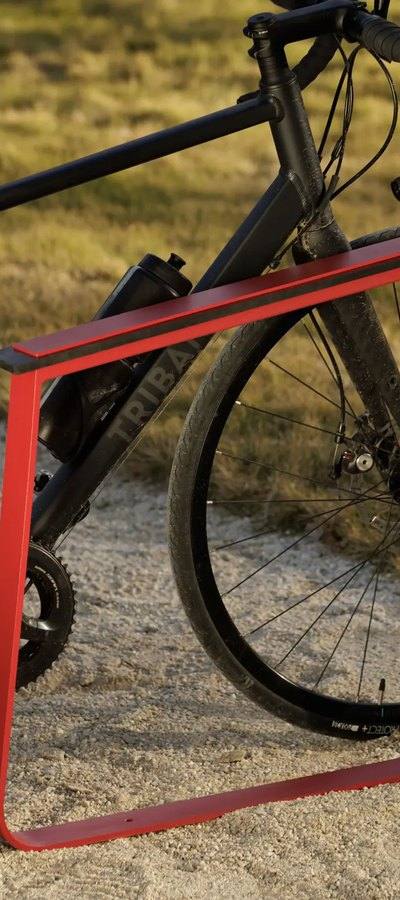
The simplest form, and often the best: a hoop that lets you lock frame and wheel at the same time. Robust, no moving parts, virtually maintenance-free and suitable for every type of bicycle, including cargo bikes and bikes with wide panniers.
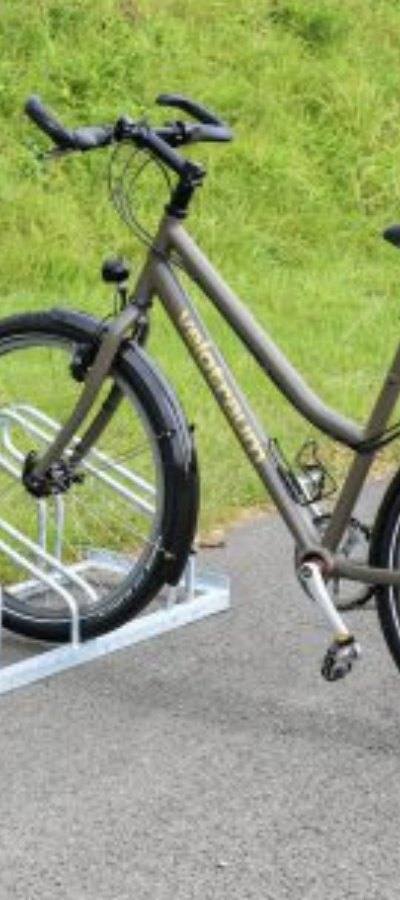
Several bicycles per unit, at one or two heights. Efficient in terms of surface area, but the centre-to-centre spacing is decisive: too little space makes every second place unusable in practice.
Two levels stacked, with a gas- or spring-assisted upper rail. They double capacity per square metre and are justified where space is scarce, provided the mechanism stays operable for a heavy or electric bicycle.
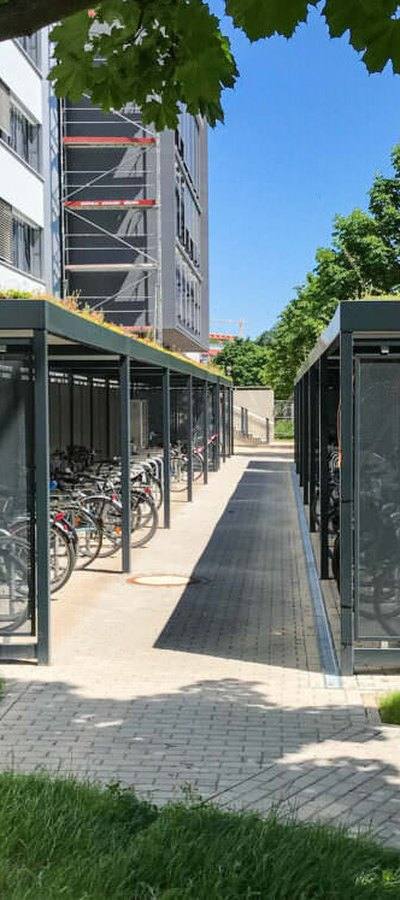
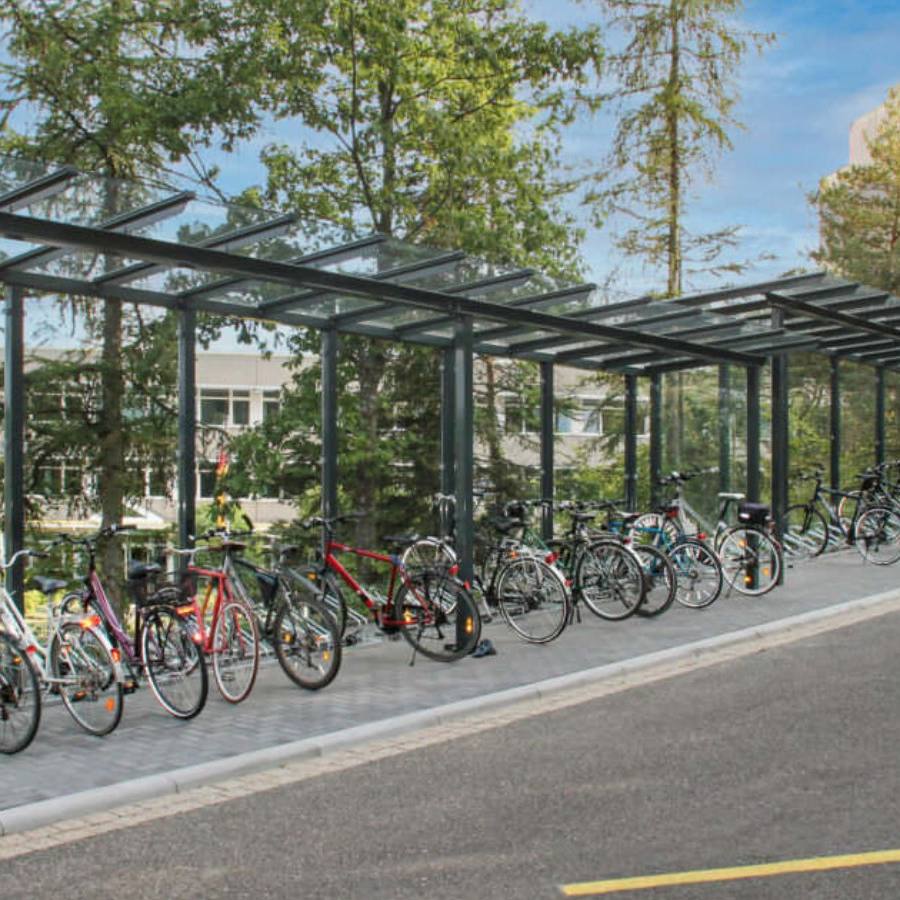
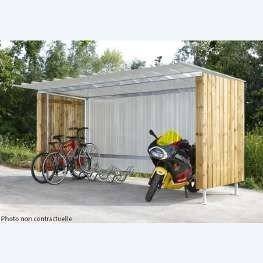
A roof over the parking, in steel, aluminium or timber, combined with glass, polycarbonate or a green roof. Increasingly supplemented with solar panels or lighting.
The most protective form, with individual or collective locking. See our dedicated page on bike lockers and garages.
Location matters more than the model. A few rules that hold up in practice: the parking should be closer to the entrance than the car park, visible from a busy route for social safety, reachable without having to dismount too early, and lit. A technically perfect shelter in the wrong place will stay empty.
For schools, allow for peaks: three hundred bicycles arrive within ten minutes. Aisle width and the number of access points matter more there than the rack model.
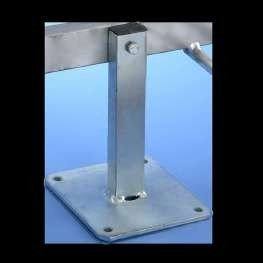
Mounting depends on the substrate. On existing concrete or paving, chemical or mechanical anchoring usually suffices. On soft ground, concrete footings or a slab are needed. For shelters, wind load and snow load determine the foundation; we calculate these rather than estimate them.
We visit the site, take measurements, produce a layout plan and handle installation, including coordination with your contractor in the case of a redevelopment.
Hot-dip galvanised and powder-coated steel is the standard: strong, repairable and refurbishable after years of service. Aluminium does not corrode and keeps the structure light. Certified hardwood adds warmth but requires maintenance. Stainless steel is used where appearance is paramount or in coastal air.
Maintenance stays limited: check the anchors, repair the coating where damaged, clean the gutters on shelters. We supply spare parts and can take on maintenance.
Several tender specifications refer to recommendations on centre spacing, bay length and aisle width. We test the design against these before submission, and tell you honestly when a requested number of places cannot be achieved in the available space without compromising usability. Eighty usable places beat a hundred of which half stay empty.
Frequently overlooked: room for cargo bikes and trailers, the width needed for panniers, and a power point if electric bicycles are to be charged.
There is no fixed price per place, and an indicative figure would mislead you. The cost depends on:
Send us your plan and the number of places you need, and you will receive a detailed quotation in which every item is shown separately, together with our view on what is realistic in the space available.
Prices are available in the Herva-Doublet Platform.
Send a layout sketch or a few photographs, along with the number of bicycles and the type of user. We will produce a proposal with a plan, material choices and phasing.
Read our guide on when a covered bicycle shelter pays off.
20+ years in façade cladding, bicycle parking, LED screens and sport & events, and ambassador for Circalle
Direct contact runs through our team: 014 55 69 22 or info@herva.be.
Request access to our Herva-Doublet Platform. Sign up in two minutes, confirm your e-mail address and see all prices right away.