

Dimitri Rondou
20+ years in wayfinding, signage and street furniture, specialising in neurodiversity

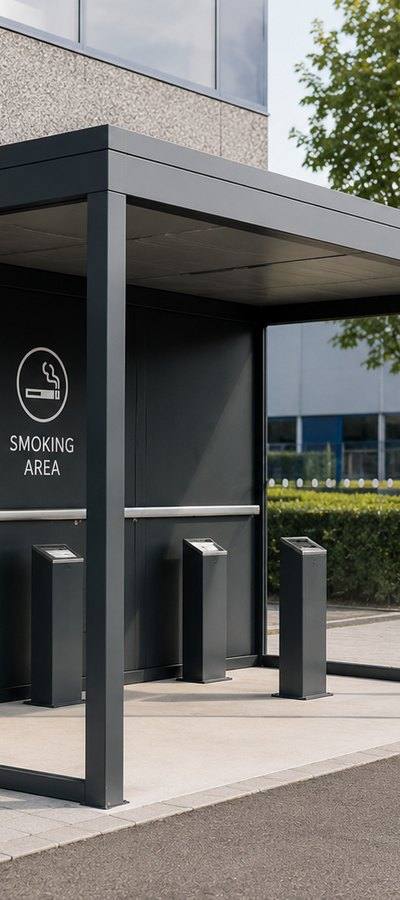
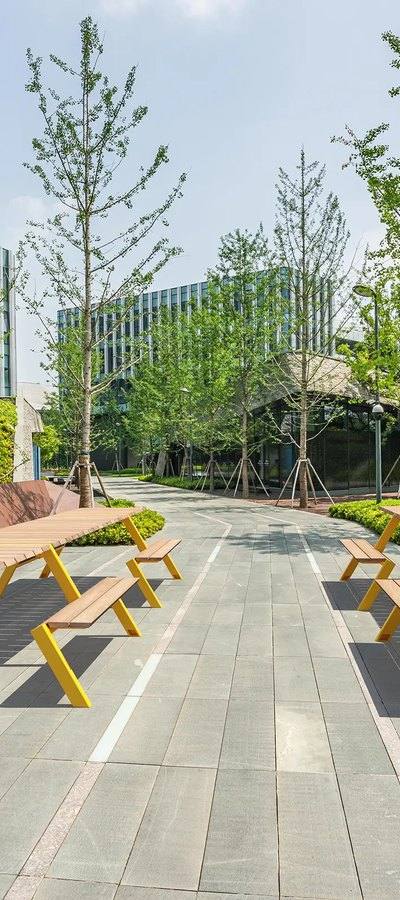
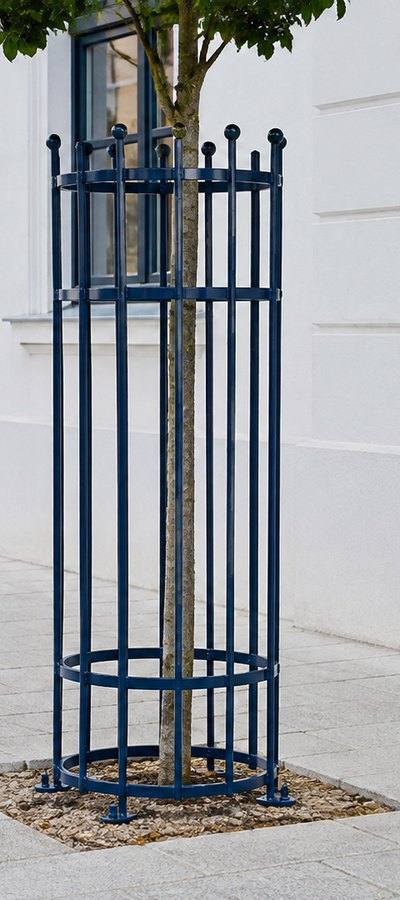
Street furniture has to do two things at once: look good and survive heavy use. We supply benches, litter bins, planters, picnic sets, smoking shelters, tree protection, bollards and railings for municipalities, business parks, schools and care institutions.
Prices are available in the Herva-Doublet Platform.



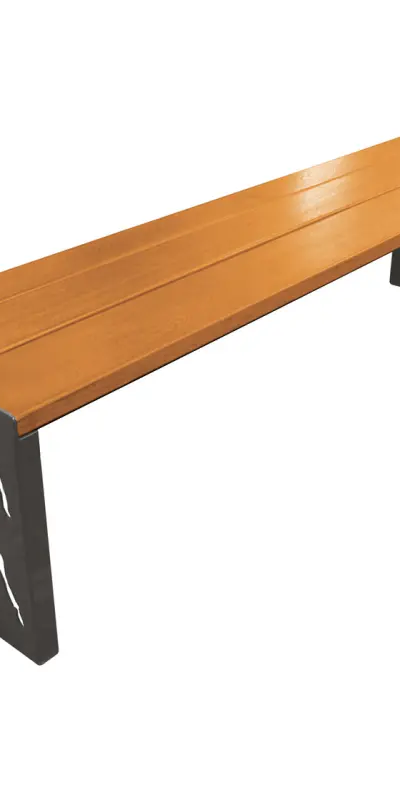
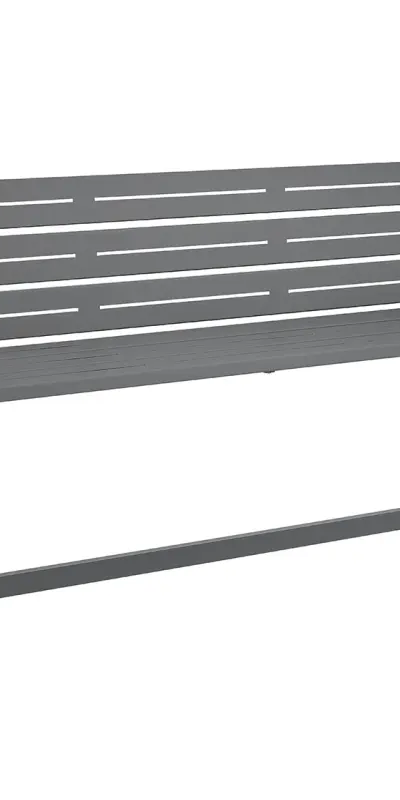
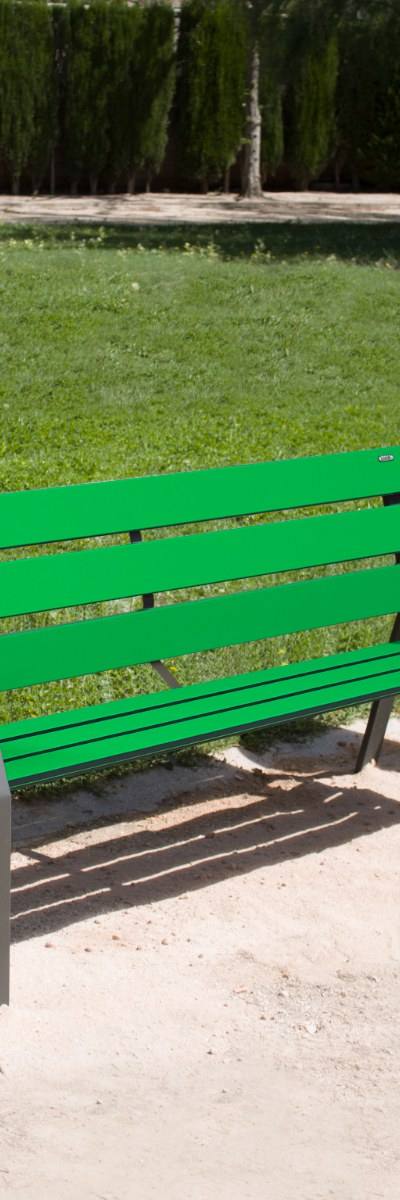
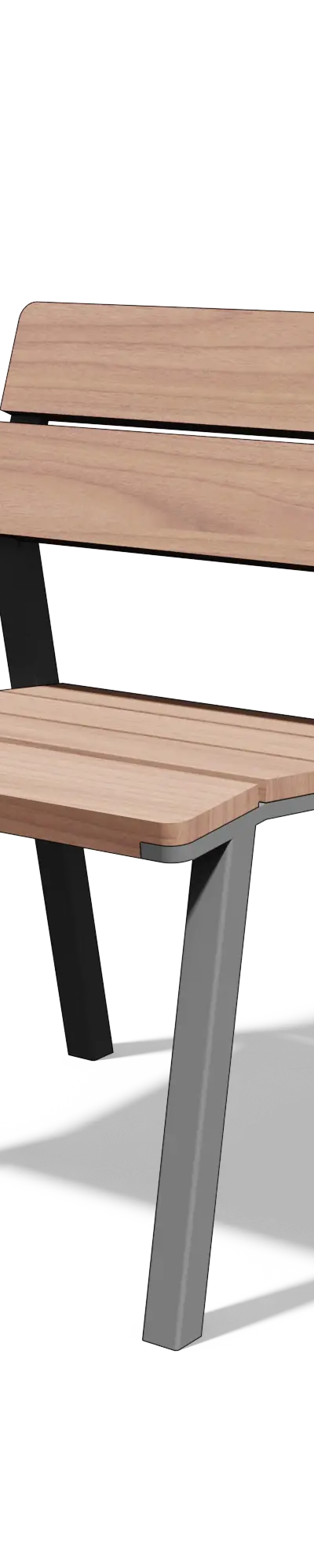


From first sketch to maintenance — one partner who coordinates the whole project.
You call one number. We measure, design, have it produced, install and maintain. No fragmented responsibility, no waiting on subcontractors pointing at each other.
A 3D visualisation of your own façade or space, by day and by night. Production only starts once that image is right. No surprises afterwards.
From façade to interior: 20 product families with one partner. No need to coordinate three suppliers.
ISO 9001 and ISO 14001. Colourfast, weather-resistant materials and energy-efficient LED lighting. With long-term service and maintenance.
Street furniture is everything that makes a public space usable: the bench someone sits on for a moment, the bin that prevents litter, the bollard that keeps a pavement free of parked cars, the bike stand at the school gate. Taken separately they seem like small elements. Together they determine how a square, a park or a company site feels, and whether people enjoy being there.
We supply street furniture to municipalities, intermunicipal bodies, developers, schools and companies, from a single bench to the complete fit-out of a redeveloped village centre. Where possible we advise one coherent family of furniture rather than separate purchases: that brings calm to the streetscape and simplifies maintenance, because parts and colours stay the same.
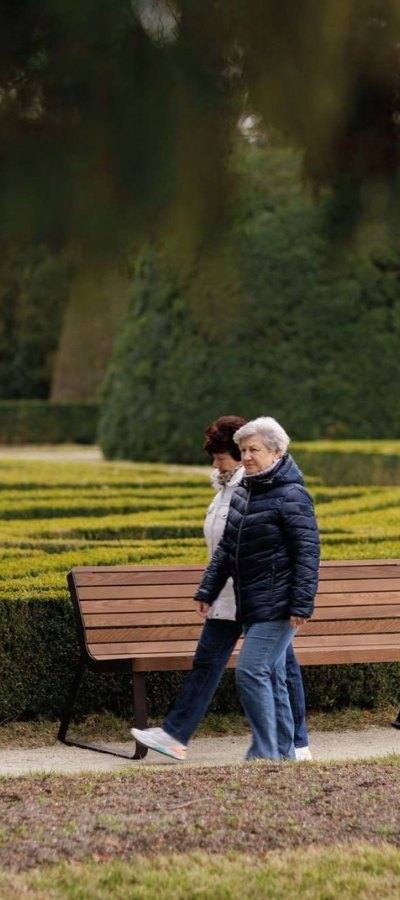
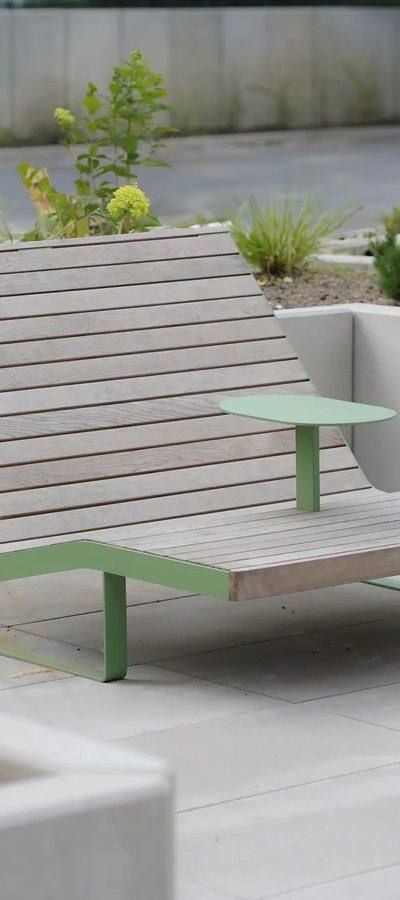
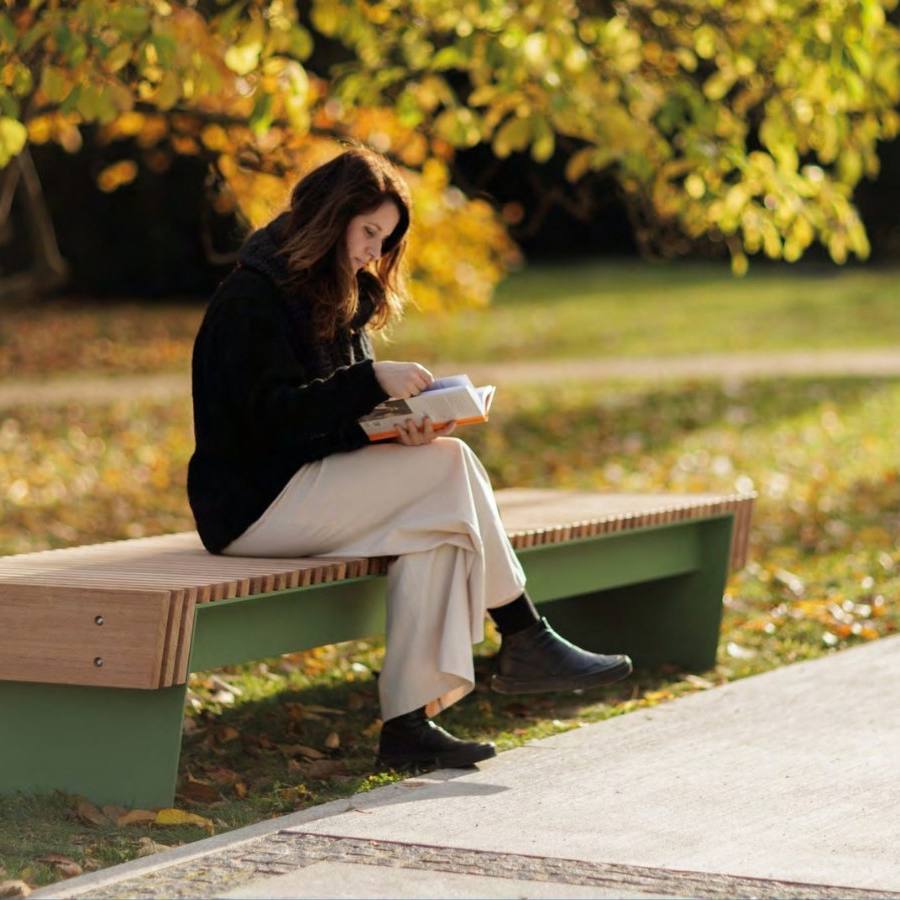
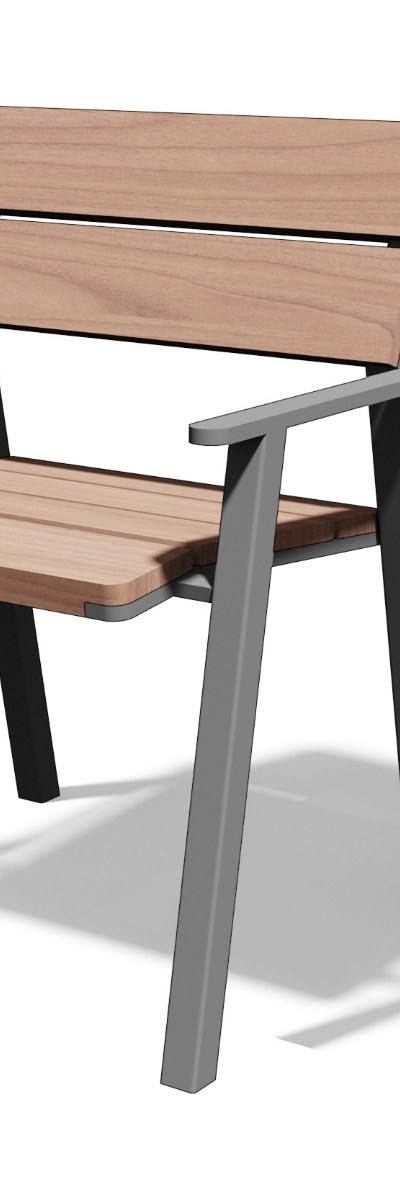
Benches with or without a backrest, seating elements, picnic sets and tiered seating. The choice between timber, steel, concrete and composite determines both appearance and maintenance. Benches with a backrest and armrests are noticeably more accessible to older users; where there is a lot of waiting, that extra cost pays for itself.
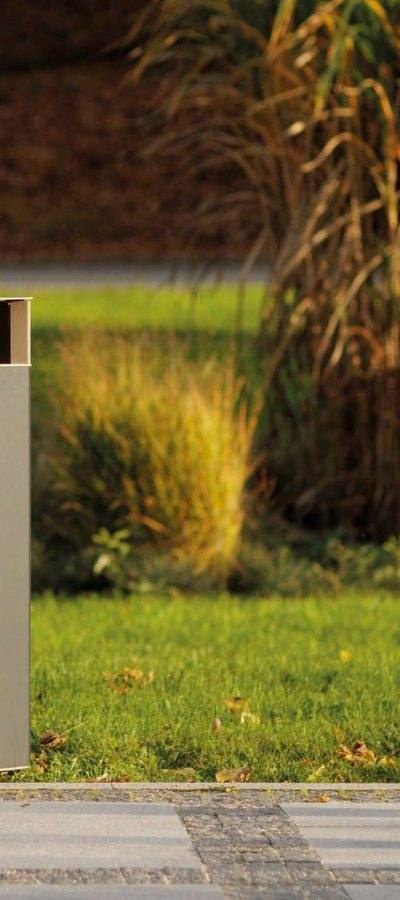
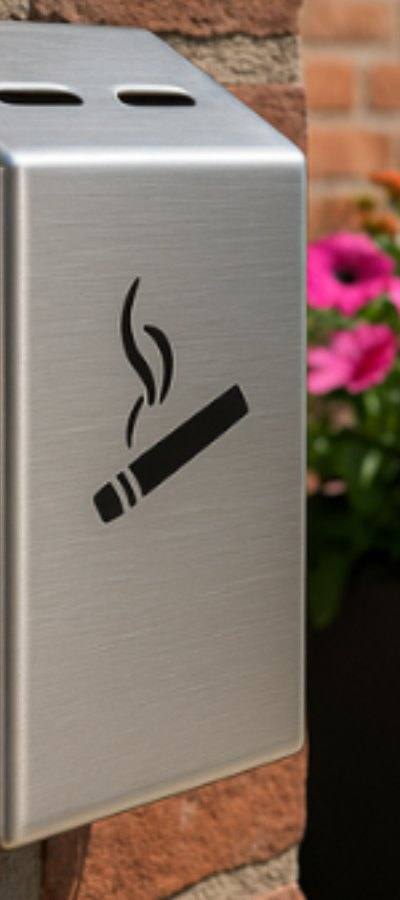
Bins with or without a cover, recycling points for separated collection, cigarette and chewing gum columns and dog waste dispensers. What matters is the volume, the emptying method and whether the sack stays clamped in the wind.
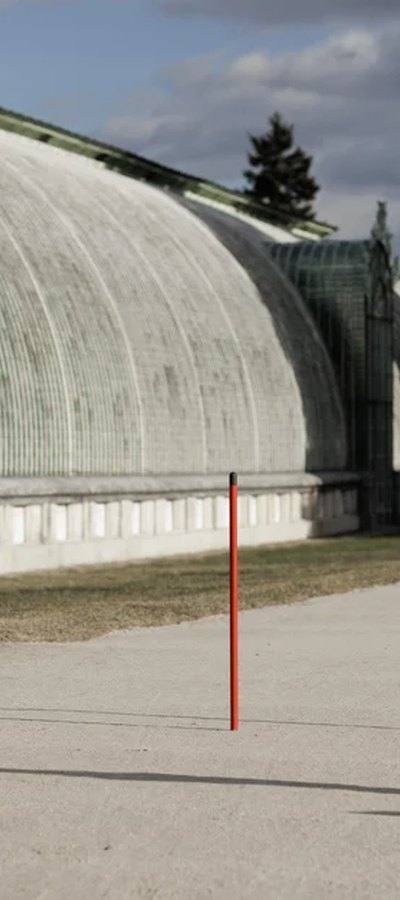
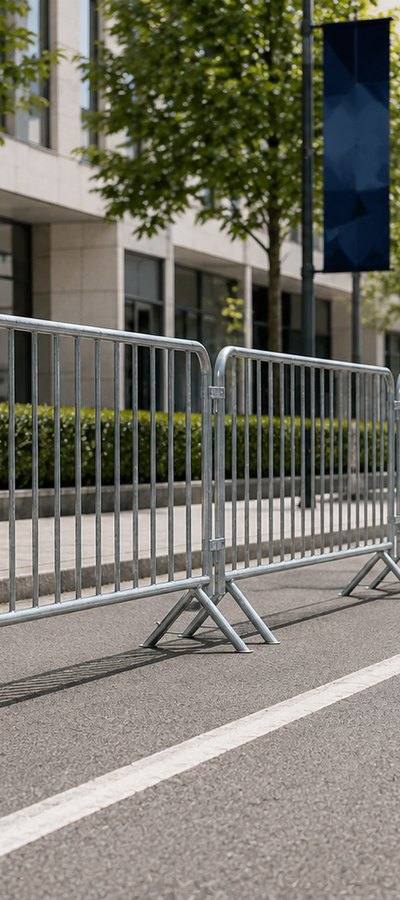
Bollards, fixed or retractable, tree guards, bike stands, railings and anti-parking elements. This category bears directly on safety, so we pay attention to visibility, impact behaviour and correct anchoring.
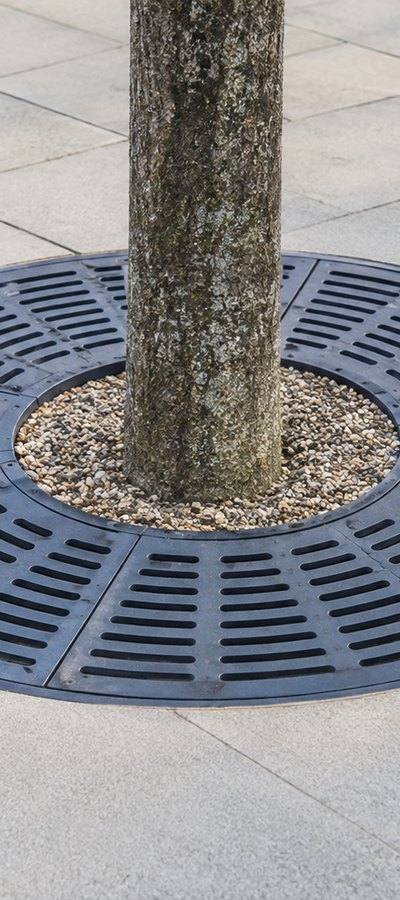
Planters, tree grilles, pergolas and shading elements. Increasingly combined with de-paving and water buffering, so a planter also takes on a climate function.
Information panels, maps, columns and notice boards. These connect seamlessly with our wayfinding and signage, so the visual language stays consistent across the whole site.
The choice of material is the most important decision you make, because it determines the cost across the whole service life, not just at purchase.
We say honestly when a cheaper material will do. A sheltered courtyard needs no vandal-resistant version; at a station or youth centre it is exactly the sensible choice.
Public space must work for everyone. A few choices make the difference: a seat height around forty-five centimetres, armrests that support standing up, sufficient clear passage width beside obstacles, and enough contrast between bollards and the road surface for pedestrians with low vision. At schools and care institutions we look at this especially closely, and we tell you when a chosen model proves awkward in practice.
The rhythm of use matters too. A bench at a bus stop is used differently from a bench in a park: shorter stays, more luggage, and the need to see the bus coming. That translates into orientation and placement, not just into the model.
More and more specifications ask about the environmental performance of the furniture. We can work with recycled plastics, with steel containing a high proportion of recycled material, and with timber from sustainably managed forests. Equally important but less visible: repairability. Furniture where only the seat slats are replaced rather than the whole element lasts for decades. We maintain parts availability and supply afterwards, even years after installation.
Herva-Doublet works with an ISO 9001 and ISO 14001 certified system. In practice that means we monitor our suppliers and processes and provide the accompanying certificates when a specification asks for them.
We take on the full route: advice on model and material, site survey, layout plan, production or supply, foundation and assembly, and handover with the necessary documentation. Where a contractor is already on site, we align our planning with theirs.
For larger redevelopment projects we are happy to produce a proposal with visualisation, so the authority and the residents see what is coming before the first post goes in the ground. That prevents discussion afterwards.
Street furniture has no fixed price per item, and a catalogue figure would mislead you. The cost depends on:
Send us your layout plan or a simple list of quantities and locations, and you will receive a detailed quotation in which each of these items is visible. That way you can see where to adjust without giving up quality.
Prices are available in the Herva-Doublet Platform.
Torn between two materials, or want to know whether your planned layout works in practice? Put your plan to us. We visit the site, give well-founded advice and only then produce a quotation.
You will find more background and practical tips in our articles.
20+ years in wayfinding, signage and street furniture, specialising in neurodiversity
Direct contact runs through our team: 014 55 69 22 or info@herva.be.
Request access to our Herva-Doublet Platform. Sign up in two minutes, confirm your e-mail address and see all prices right away.