Crowd barriers
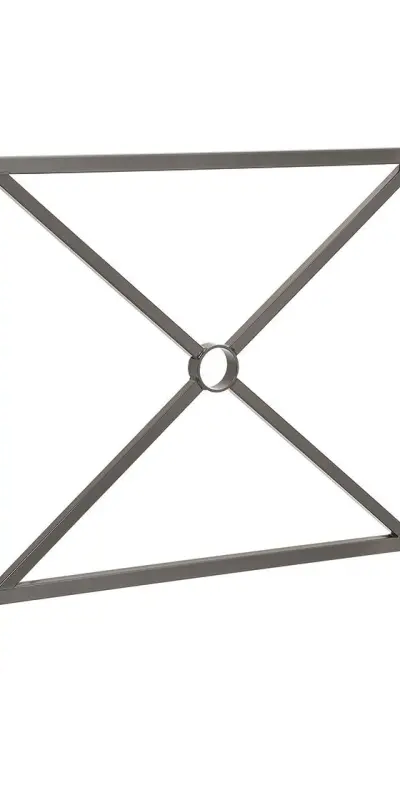
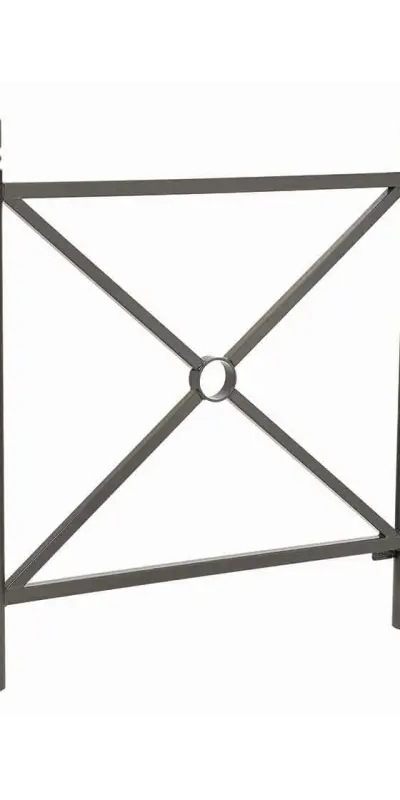
Crowd barriers for temporary boundaries at events and works. Quick to place and to dress with covers or advertising panels.

A fence holds people back, but it can carry your message at the same time. That is the point most often missed: a row of bare fencing is a wasted opportunity, the same row with printed banners is an advertising wall.
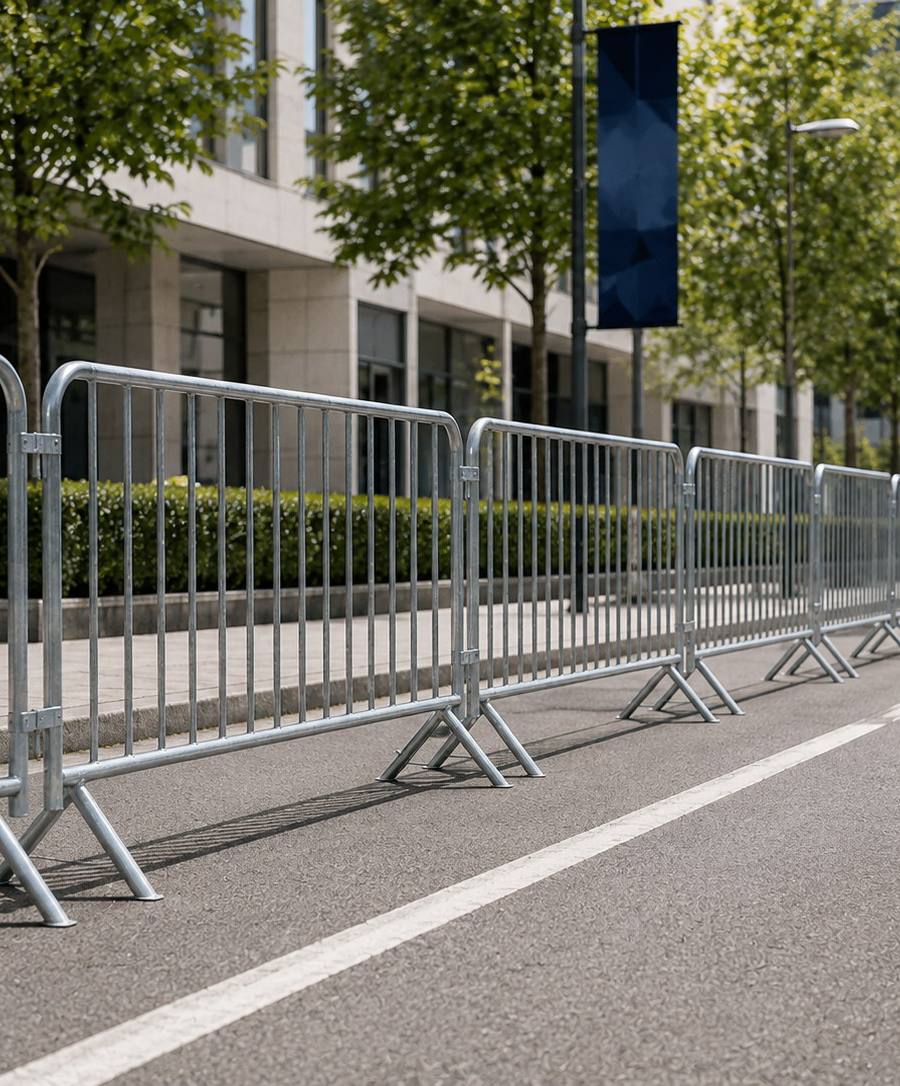
Crowd barriers for temporary boundaries at events and works. Quick to place and to dress with covers or advertising panels.
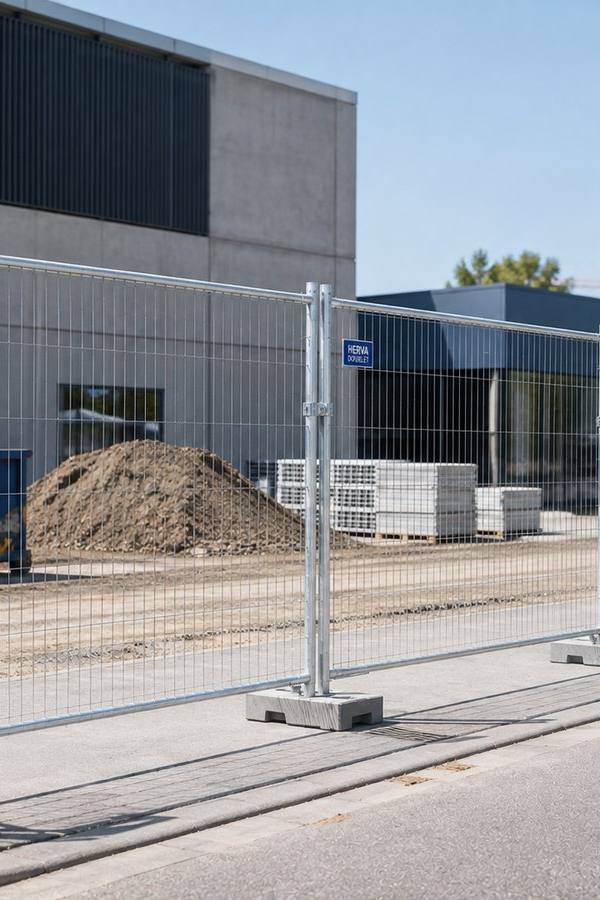
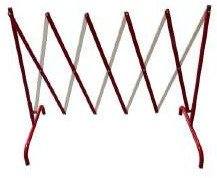
Mobile site fencing for temporarily closing off works and zones. Sturdy, stackable and reusable, and can be dressed with a printed banner.
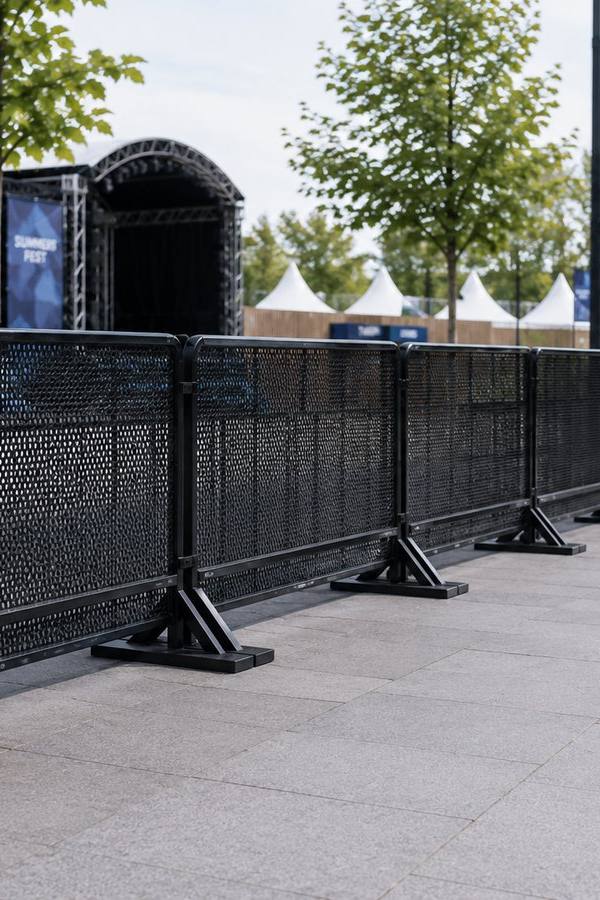
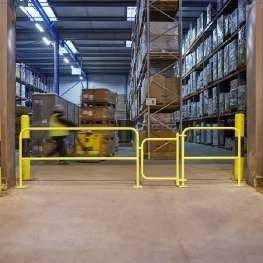
Sturdier barriers for situations with larger crowds or higher risk. For events, crowd control and site security.
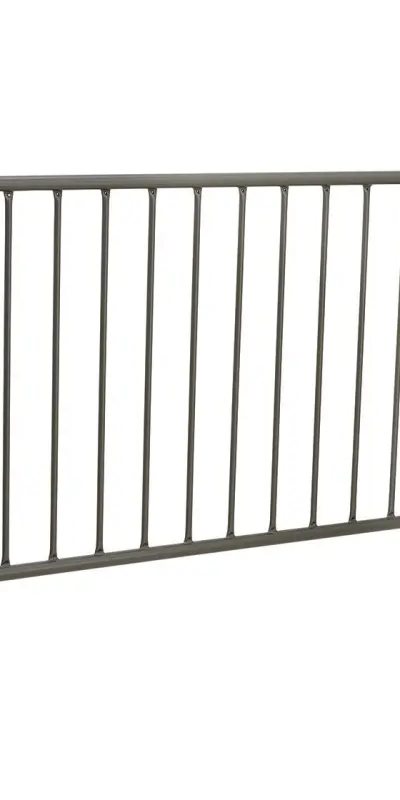
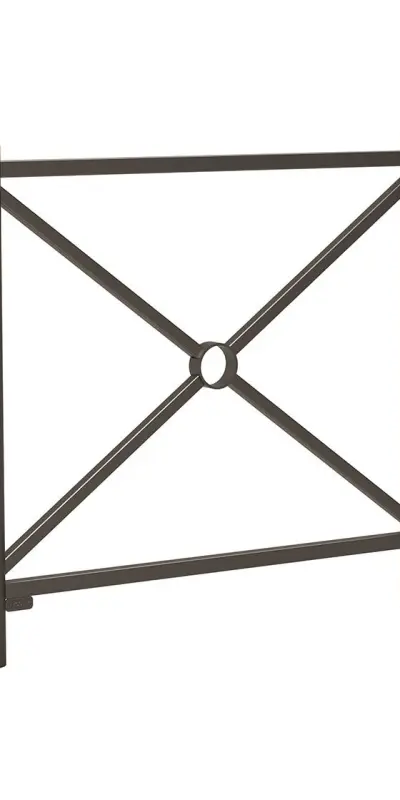
From first sketch to maintenance — one partner who coordinates the whole project.
You call one number. We measure, design, have it produced, install and maintain. No fragmented responsibility, no waiting on subcontractors pointing at each other.
A 3D visualisation of your own façade or space, by day and by night. Production only starts once that image is right. No surprises afterwards.
From façade to interior: 20 product families with one partner. No need to coordinate three suppliers.
ISO 9001 and ISO 14001. Colourfast, weather-resistant materials and energy-efficient LED lighting. With long-term service and maintenance.
Nadar barriers, also called crowd control barriers or bike-rack barriers, are light, portable steel barriers of about two metres wide that hook together into one continuous line. They are used to guide crowds, close off a route or area and temporarily screen off roadworks. Herva-Doublet sells them together with feet, storage racks, a trailer and printed covers.
Choosing the wrong type costs you later: too heavy means needless handling, too light is a risk on the day itself.
Cycling races and running events, parades, markets and fairs, festival entrances and exits, and roadworks that close a street or pavement. Municipalities also use them to keep parking areas free or to mark out a square.
Their strength is speed: two people carry a barrier, hook it to the previous one, and a line of several hundred metres goes up quickly.
A good Nadar barrier is made of hot-dip galvanised steel, which protects it against rust after years outdoors. Check before you buy:
Loose barriers slide apart as soon as someone leans on them. Coupled barriers form one line that spreads the load. At the ends, a corner, a wall or a fixed element anchors the line.
Where a crowd really pushes, in front of a stage or at a finish, Nadar barriers are no longer enough: use safety barriers. Always keep passages free for emergency services and evacuation, agreed with the safety services.
A line of barriers is a continuous surface at eye level, right where the public stands and the cameras film. With printed covers or panels it becomes the most visible spot of your event.
A storage rack keeps barriers in order, can be moved with a forklift and loads in one go. For smaller quantities, a Nadar barrier trailer lets you load, drive and set up without extra steps.
If you set up barriers once a year, compare buying with renting from a rental company. For a municipality, a club or an organiser who uses them several times a year, owning a set soon pays off, especially with reusable printed covers. Herva-Doublet sells barriers and accessories and helps you estimate how many you need.
We advise on type, quantity and layout, supply the barriers with feet and accessories, and produce the printed covers. Give us the length of the route or the perimeter of the area, the expected crowd and how often you use the barriers, and we will put together a proposal.
What you see here is a selection. Our range is considerably wider — in sizes, materials and finishes that we cannot all show online. Tell us what you need it for and where it has to go, and we will work out what fits.
Ask your questionRequest access to our Herva-Doublet Platform. Sign up in two minutes, confirm your e-mail address and see all prices right away.